
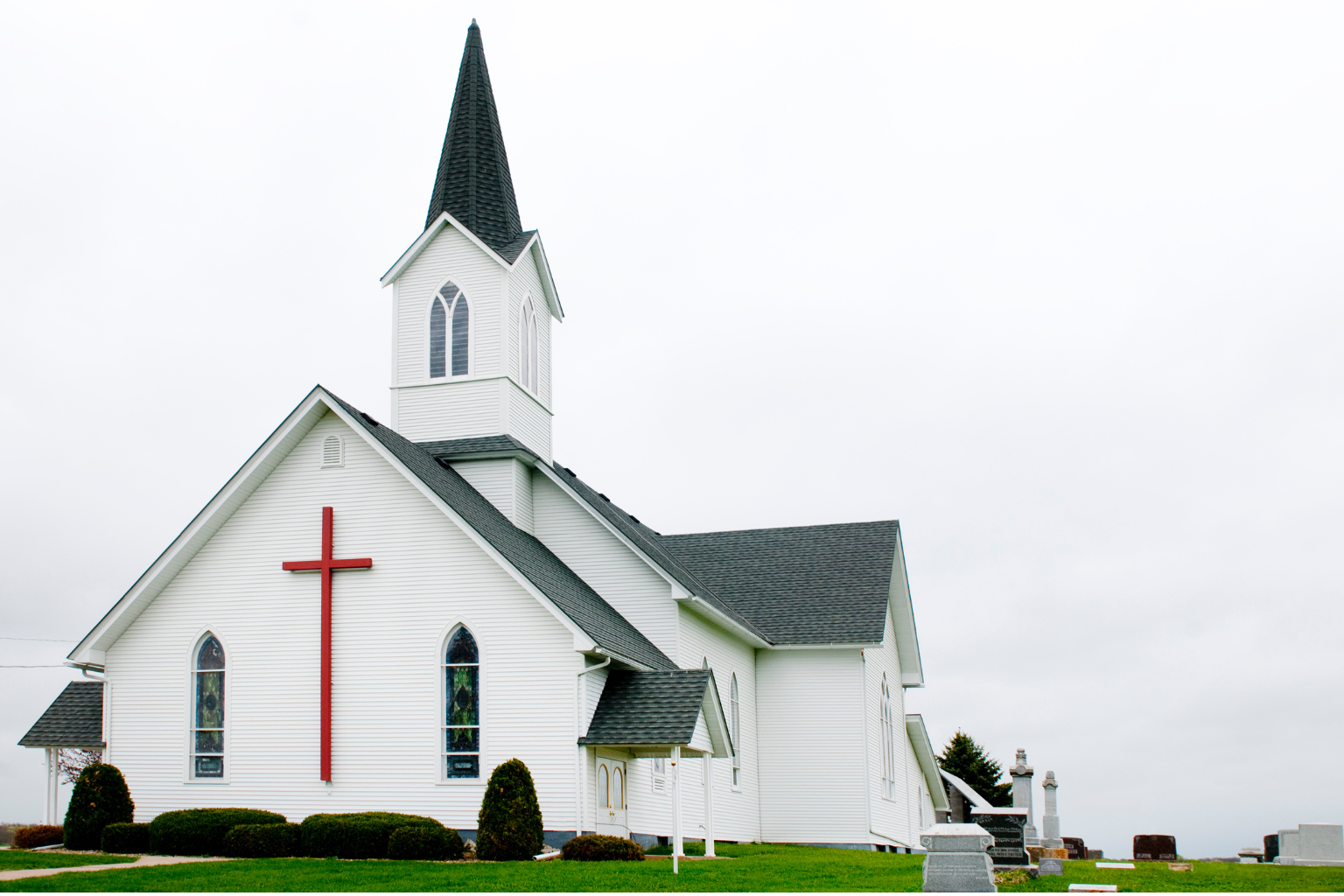
How to Find a Good Church
What is the Church?
The church is a people to whom we belong—God’s family, formed by the gospel and joined together in Christ. Scripture describes the church as the body of Christ, united by the Spirit and shaped by the Word for God’s glory and our good. Through the local church, God nourishes our faith, draws us into shared life with other believers, and forms us together into the likeness of His Son. “Christ loved the church and gave himself up for her” (Ephesians 5:25).
God designed the Christian life to be lived in community. As we gather with the church, we grow through faithful teaching, shared worship, mutual encouragement, and honest love over time. The local church is one of God’s primary means of grace—where truth is proclaimed, the gospel is practiced, and believers are steadily rooted in Christ, anchored in truth, and formed in love.
Markers of a Healthy Church
An acronym to help you discern a healthy church:
R — Rooted in the Gospel – Christ-centered, grace-shaped, and anchored in Scripture
O — Oriented Around the Word – Faithful preaching and teaching of the Bible
O — Oriented Toward Community – Life together as God’s family, marked by mutual care, wise counsel, and loving accountability
T — Trained in Christlike Living – A shared pursuit of holiness, wisdom, and faithful obedience
Rooted in the Gospel
A healthy church is deeply rooted in the gospel of Jesus Christ—His life, death, resurrection, and ongoing reign. The gospel is clearly proclaimed and thoughtfully applied, shaping both teaching and culture. Grace, repentance, and faith are central, and growth flows from what Christ has already accomplished rather than from pressure to perform. In a gospel-rooted church, Christ remains at the center, and believers are continually invited to rest in His finished work while growing in faithful obedience. “I decided to know nothing among you except Jesus Christ and him crucified.” (1 Corinthians 2:2)
Oriented Around the Word
A faithful church is oriented around God’s Word. Scripture is read carefully, taught in context, and applied with wisdom and care. Preaching helps people understand what the text means before exploring how it shapes everyday life, allowing the Bible to set the agenda rather than personal opinions or cultural trends. Leaders submit themselves to the authority of Scripture, trusting God’s Word to guide, correct, and form His people. “All Scripture is breathed out by God and profitable…” (2 Timothy 3:16)
Oriented Toward Community
A healthy church is oriented toward community as God’s family. Life together is marked by mutual care, wise counsel, and loving accountability, as believers walk alongside one another through joy, suffering, growth, and repentance. Relationships are cultivated over time through shared worship, discipleship, and presence, creating space to be known and supported. In this kind of community, faith is strengthened, burdens are shared, and love is practiced in tangible ways. “Bear one another’s burdens, and so fulfill the law of Christ.” (Galatians 6:2)
Trained in Christlike Living
A gospel-shaped church is committed to training believers in Christlike living. Growth is understood as a lifelong process of learning wisdom, practicing obedience, and becoming more like Jesus over time. This training is patient and hopeful, grounded in grace rather than pressure. Through teaching, example, and encouragement, the church helps each other grow steadily in holiness, love, and faithfulness as they follow Christ in everyday life. “Until we all attain… to mature manhood, to the measure of the stature of the fullness of Christ.” (Ephesians 4:13)
A Word on Progressive and Prosperity Churches
As you search for a church, it’s important to be aware that not every church using Christian language is faithfully teaching the gospel. Scripture repeatedly warns believers to be discerning, because what shapes our faith over time deeply affects how we view God, ourselves, suffering, and salvation (Galatians 1:6–9; Colossians 2:8).
Two popular movements in particular—progressive Christianity and the prosperity gospel—often sound appealing on the surface, but ultimately distort the heart of the gospel and can lead believers away from biblical truth.
Concerning Progressive Churches
Progressive churches often emphasize compassion, inclusion, and justice, but gradually loosen or redefine the authority of Scripture. Over time, biblical teachings (especially those that challenge current cultural) are treated as outdated, symbolic, or negotiable rather than authoritative and true.
Common signs include:
Scripture is affirmed selectively, but not treated as fully authoritative
Core doctrines (sin, repentance, judgment, substitutionary atonement) are softened or redefined
Jesus is presented primarily as a moral example rather than a Savior who rescues us from sin
Cultural values are used to reinterpret biblical truth rather than Scripture shaping our beliefs
The call to repentance and transformation is minimized
Scripture calls us to remain anchored in the truth once delivered to the saints (Jude 3) and to resist reshaping God’s Word to fit the spirit of the age (Romans 12:2).
Concerning Prosperity Gospel Churches
Prosperity churches teach (explicitly or subtly) that God’s primary desire is to make His people healthy, wealthy, and successful, and that faith is a mechanism for securing those outcomes. While God does care for His children, this teaching often treats Him as a means to an easier life rather than a Savior who redeems us through suffering as well as blessing.
Common signs include:
Faith is framed as a tool to obtain health, wealth, or success
Suffering is viewed as a sign of weak faith or spiritual failure
Jesus’ work is reduced to improving circumstances rather than saving from sin
Teaching centers on personal gain more than repentance, holiness, and endurance
God’s promises are detached from the broader story of the cross
Scripture reminds us that following Jesus includes suffering, perseverance, and costly faithfulness, not guaranteed comfort (Luke 9:23; John 16:33; Philippians 1:29).
God’s Word is meant to anchor us, not drift with cultural pressure or promise outcomes Scripture does not guarantee. A healthy church will help you grow in truth, humility, repentance, hope, and Christlike love, even when that growth is slow or painful. Staying rooted in a gospel-centered, Bible-honoring church is one of the ways God protects and sustains His people.
“Watch your life and doctrine closely. Persevere in them, because if you do, you will save both yourself and your hearers.” (1 Timothy 4:16)